Scholarships for Adopted Students 2026: Your Complete Funding Guide
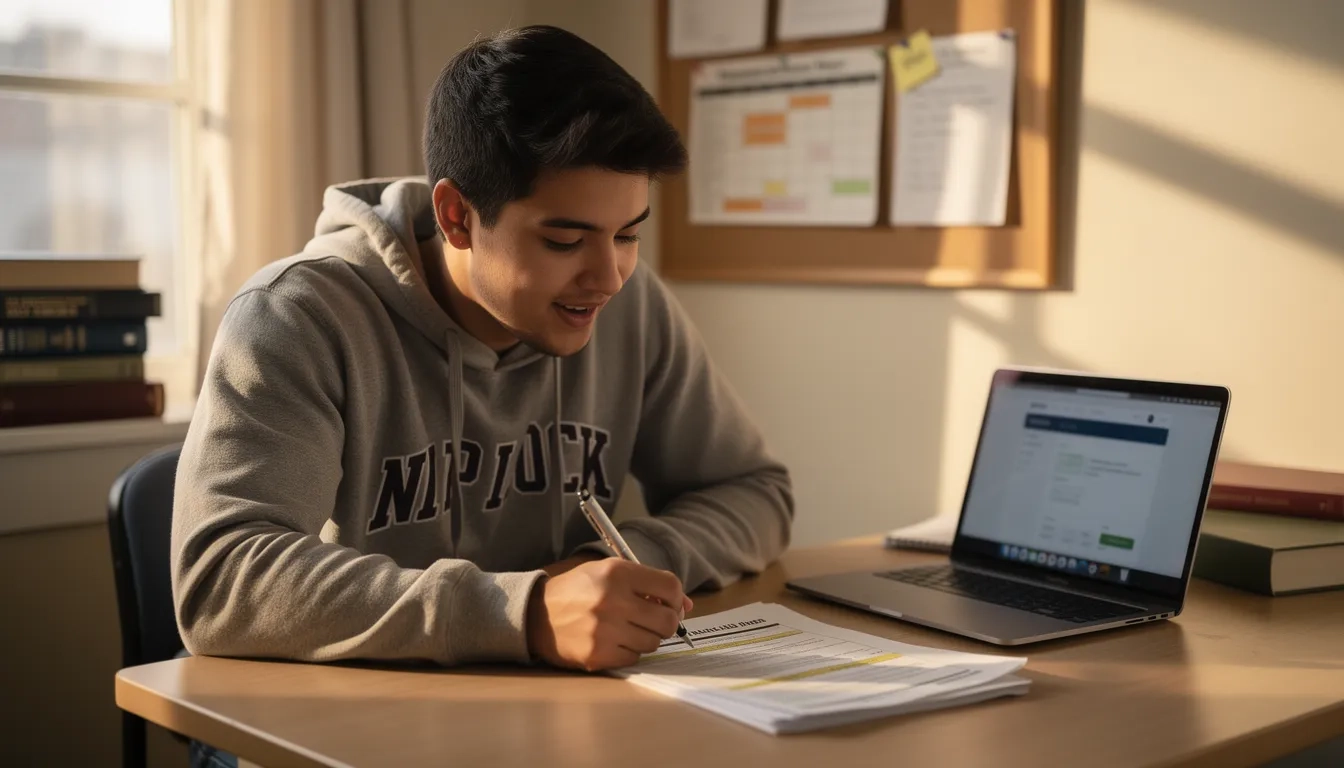
Here's something most families piece together too late: students adopted from foster care at age 13 or older automatically qualify as independent students on the FAFSA. That one status change removes adoptive parents' income from the expected family contribution formula entirely, potentially unlocking thousands in additional federal aid per year. Countless high school counselors don't know this rule, and eligible families walk away from money that was never advertised to them.
Being adopted reshapes how the financial aid system sees you. It unlocks scholarship categories most guidance offices don't track, and in some states, wipes the tuition bill completely. Knowing where to look — and in what order — is the whole game.
The FAFSA Question That Changes Everything
The "independent student" designation is the most underused financial aid advantage available to adoptees. Under federal rules, students adopted from the foster care system at age 13 or older, or who are currently in foster care at the time of application, flag a specific box on the FAFSA that bypasses parental income in the need calculation.
What this means in practice: a student with adoptive parents earning $130,000 a year could still qualify for need-based grants that a non-adopted peer in the same household would never see. This isn't a loophole. It's a federal recognition that children placed in care after age 13 have a different financial history than students who grew up continuously with the same family.
The 2025-2026 maximum Pell Grant sits at $7,395. For adopted students who qualify as independent, even partial Pell eligibility compounds across four years. File the FAFSA the moment the window opens — October 1 of the year before enrollment. The Federal Supplemental Educational Opportunity Grant adds another $100 to $4,000, but it's first-come, first-served and runs dry at many schools before spring.
A quick scenario worth running: a student adopted at age 14, now 18 and heading to a state university, qualifies as independent regardless of what their adoptive parents earn. That status alone can shift them from zero need-based aid to thousands per year. Yet if the same student was adopted at age 8 — domestically and not from foster care — they typically don't get independent status automatically, and that's exactly where targeted scholarships pick up the slack.
Federal and State Programs: Start Here
Education and Training Vouchers (ETVs) are federal dollars channeled through state child welfare agencies, and they're among the most consistently overlooked programs in all of college planning. Students who were adopted from foster care after age 16, or who aged out without being adopted, can receive up to $5,000 per year for tuition, housing, books, and education-related expenses.
States run ETVs on their own timelines and application systems. California's Chafee Grant — a closely related program — covers up to $4,500 with a July 31, 2026 deadline. Louisiana's version goes up to $5,000 annually for students ages 14 to 26. Missouri's closes June 30, 2026. Contact your state's child welfare agency directly to apply; the process for many states exists entirely outside standard college financial aid portals.
The ETV isn't widely marketed. Many eligible students age out of foster care without ever learning this money existed — and the window to claim it closes faster than most people realize.
State tuition waivers represent an even larger opportunity. As of recent counts, 38 states maintain some form of postsecondary tuition support for foster care youth, and several extend eligibility to students adopted from the system. Massachusetts offers a 100% tuition and fee waiver at any in-state public institution for adoptees age 24 and under through the DCF Adopted Child Tuition Waiver — no competitive essay, no application committee. Just eligibility verification through DCF records.
Oklahoma's Independent Living Act provides a full tuition waiver for graduates who spent at least nine months in foster care between ages 16 and 18. Maryland offers both a full tuition waiver and a separate ETV program, making it one of the strongest states in the country for former foster youth attending public college. Washington State's Governor's Scholarship for Foster Youth adds $2,000 to $4,000 on top of any waiver you already receive.
Check your state's child welfare agency website directly. These waivers rarely appear on scholarship aggregators — they live in state government portals that haven't been updated since the Obama administration, which makes them hard to find and easy to miss.
National Scholarships Open to Any Adoptee
Not adopted from foster care? Private scholarships specifically for adoptees still offer real money, with eligibility that typically requires only proof of legal adoption — not a specific foster care background.
| Scholarship | Award | Key Eligibility |
|---|---|---|
| Holt Adoptee Scholarship | $700 | Any adoptee, creative submission format |
| Also-Known-As Adoptee Excellence | $1,000–$1,500 | International adoptees, U.S. citizens, age 25 or under |
| Adoption STAR Academic | Up to $1,000 | Adopted/foster youth, 4-year college track, rolling |
| Ramage Law Group Scholarship | $1,000/semester | Legally adopted students, any accredited institution |
| Horatio Alger Scholarship | $2,500–$10,000 | Financial need, demonstrated adversity overcome |
| Casey Family Services Alumni | Up to $10,000 | Former Casey foster youth, ages 16–49 |
The Holt Adoptee Scholarship (run by Holt International, which has placed children with families since 1956) awards $700 to adoptees from any country or agency. The 2026 deadline is April 30. Submissions can be writing, art, or video — which lowers the barrier compared to purely GPA-based awards and gives students who aren't academic standouts a genuine shot.
The Horatio Alger Scholarship deserves a specific call-out. It's not exclusively for adoptees, but it explicitly targets students who have "faced and overcome great obstacles," and awards range from $2,500 to $10,000 annually. Former foster and adopted youth have a strong track record winning it. The program also includes a mentorship network that generates real connections, not just a plaque.
The Casey Family Services Alumni Scholarship offers up to $10,000 for former foster youth ages 16 to 49. That upper age limit is unusual (most scholarships cap at 25 or 30), which makes it one of the few awards genuinely accessible to adult learners going back to school mid-career.
High-Value Awards for Students Adopted from Foster Care
Students adopted specifically from the foster care system have access to a deeper and more lucrative scholarship stack than most families discover.
The All-Star College Scholarship offers up to $5,000 per semester for up to four years for students who were adopted or exited foster care after age 13. You must be 21 or younger, maintain a 2.5 GPA, and complete the FAFSA. Run the math: that's potentially $40,000 over four years from a single award. Most students researching this topic never encounter it.
The Rezvan Foundation Scholarship is the ceiling of this category: up to $100,000 over four years for students from foster care or post-foster adoption backgrounds, paired with active mentorship. It requires a 3.5 GPA and U.S. residency. Competitive, yes — but the application takes the same few hours as a $500 award. The asymmetry is worth recognizing before you skip it.
Foster Care to Success (formerly Orphan Foundation of America) has distributed over $15 million since 2000 to students with at least 12 consecutive months in foster care before age 18. Awards go up to $5,000 annually, with a March deadline. The organization also provides emergency funds and practical support that goes well beyond the scholarship check itself.
For students heading toward vocational programs rather than four-year degrees: the American Industries Trade Scholarship offers up to $10,000 over two years for foster-connected youth ages 18 to 25 enrolled in vocational or technical programs. Most scholarship lists skip this one entirely because it doesn't fit the four-year college template. If you're heading toward a trade, it's worth every minute of the application.
Scholarships for Internationally Adopted Students
Internationally adopted students face a slightly different search pattern. Some awards are country-specific; others hinge on cultural heritage rather than adoption status itself.
The Families for Russian and Ukrainian Adoption Dina Brown Scholarship supports students adopted from Russia or Ukraine, with a March deadline. The scholarship amount is modest, but the eligibility pool is narrow — which meaningfully improves competitive odds.
Here's a move most families overlook: heritage-based scholarships don't always require biological ancestry. An internationally adopted student of Korean descent may qualify for the Korean American Scholarship Foundation, which in some programs looks at cultural connection rather than blood relation. The Asian & Pacific Islander American Scholarship Fund takes a similar approach. Read each eligibility statement carefully — "of Korean heritage" and "of Korean descent" are not interchangeable across different organizations.
Contact your adoptive agency directly. Several agencies (Holt International being the clearest example) maintain their own scholarship programs for families who worked with them. The Adoption STAR Scholarship is explicitly tied to their client network. Your adoption case file isn't just a paper record — it connects you to a support network most families forget exists once the finalization paperwork is signed.
How to Build Your Scholarship Stack
The most effective strategy isn't finding one big award. It's layering multiple sources until the total covers what loans would otherwise fill.
Here's a realistic application calendar for a high school senior:
- October 1 — Submit the FAFSA as soon as the window opens. Flag foster care history if applicable — independent student status and Pell eligibility both run through this form.
- October–November — Contact your state child welfare agency about ETV eligibility and any state tuition waiver program. Don't assume they'll reach out to you.
- January–February — Apply to Foster Care to Success (March deadline), Horatio Alger, Adoption STAR, and any regional foster care scholarship programs in your state.
- March–April — Holt Adoptee Scholarship (April 30 deadline), Also-Known-As Adoptee Excellence, Families for Russian/Ukrainian Adoption if applicable.
- Rolling — Casey Family Services Alumni, Ramage Law Group, Adoption STAR (accepts applications year-round).
One underrated source: local adoption support networks. Adoption support groups in many cities (particularly in areas with active faith-based adoption communities) maintain small scholarship funds that never appear on national databases. Awards typically run $500 to $2,000, competition is light, and your adoptive family's community connections are often the fastest path to finding them.
On essays: adopted students often minimize their story, uncertain how much to share. My clear opinion is that specificity wins. A committee reading 400 generic applications remembers the student who described a specific moment — the courthouse smell, the judge's name, what their parents said when it was finally official — not the student who wrote vaguely about "a challenging journey." The organizations that created these awards built them precisely for your experience. Give them the real version.
Bottom Line
- File the FAFSA first. The independent student flag, the Pell Grant, and the FSEOG all run through it. For students adopted from foster care at 13 or older, this step alone could unlock more aid than any single scholarship.
- Call your state's child welfare agency about ETVs and tuition waivers before spending hours on private scholarship applications. If you're in one of the 38 states with a waiver program, that's potentially free in-state tuition sitting unclaimed.
- Stack awards intentionally: federal/state programs first, adoption-specific scholarships second, general merit awards third.
- The All-Star College Scholarship (up to $40,000 over four years) and Rezvan Foundation (up to $100,000 with mentorship) are the highest-value awards for students adopted from foster care — both require a real application, but the return justifies the effort.
- Write essays with concrete specificity. The committees who fund these awards want the real story, not a polished summary that could belong to anyone.
Frequently Asked Questions
Do adopted students automatically qualify as independent on the FAFSA?
Not all adopted students do — it depends on how and when the adoption happened. Students adopted from foster care at age 13 or older qualify as independent, as do current foster care youth. Students adopted at younger ages, or through private domestic or international adoption, typically don't receive automatic independent status and should apply using their adoptive parents' financial information.
What is the Education and Training Voucher (ETV) program, and how do I apply?
The ETV is a federally funded program administered by each state's child welfare agency, providing up to $5,000 per year for education-related expenses. Eligibility generally requires having been in foster care after age 16 or aging out of the system. To apply, contact your state's child welfare or social services department directly — not your college's financial aid office, which typically has no involvement in ETV processing.
I was adopted as an infant. Does that disqualify me from adoption scholarships?
No. Many adoption scholarships — including the Holt Adoptee Scholarship, Adoption STAR Academic Scholarship, Also-Known-As Adoptee Excellence Scholarship, and the Ramage Law Group Scholarship — require only proof of legal adoption, regardless of when it occurred or whether it involved the foster care system. State tuition waivers and ETV programs, however, generally do require a foster care history.
Can I apply for a state tuition waiver and private scholarships at the same time?
Yes, and you should. State tuition waivers are separate from private scholarship programs and don't count against each other in most states. The most effective strategy stacks federal aid, a state waiver (if applicable), and multiple private scholarships simultaneously — each covers a different slice of college costs.
Are there scholarships specifically for adult adoptees returning to college?
Yes. The Casey Family Services Alumni Scholarship accepts applicants up to age 49, which is unusually high for the scholarship world and makes it genuinely accessible to adult learners. Foster Care to Success also accepts students who have been out of high school for some time. State ETV programs vary by age cap — most cap at 26, but some states extend eligibility further.
How do I prove my adoption status when applying for scholarships?
Most scholarships accept a copy of your adoption decree or finalization order. Some accept a letter from the adoption agency that handled your case. For foster care-related programs, documentation from your state child welfare agency confirming your placement history is typically required. Contact your adoptive parents or the agency involved in your adoption early — tracking down legal documents can take longer than the essay itself.
Sources
- Top 42 Scholarships for Adopted Children and Foster Children – Scholarships360
- 20 College Scholarships for Adopted Children and Youth From Foster Care – American Adoptions
- Scholarships For Adopted Students And Foster Youth – Affordable Colleges Online
- Scholarships for Adoptees – Considering Adoption
- 2025 Holt Adoptee Scholarship Contest – Holt International
- DCF Adopted Child Tuition Waiver – Massachusetts Office of Student Financial Assistance