How to Maximize Your College Meal Plan Value (Before You Waste Hundreds)
How to Maximize Your College Meal Plan Value (Before You Waste Hundreds)
The average meal plan now costs $5,656 a year — up about 26% before adjusting for inflation, and that's just the lowest-cost plan option at the average school. Private universities push that figure to $6,242 annually. For a lot of students, that's the third-biggest line item on their bill after tuition and housing, and yet almost nobody tracks whether they're actually getting their money's worth out of it.
Here's the uncomfortable part: students who don't use their full plan still pay the full cost up front. Unused swipes and flex dollars don't refund — they just disappear at the end of the semester or academic year, quietly padding the university's dining revenue. Fixing that starts with understanding exactly what you're paying for.
Do the Actual Math on Your Plan First
A campus meal plan averages $570 a month, but the per-meal cost varies enormously depending on the plan structure — anywhere from $10 to $20+ per swipe once you divide total cost by total meals included. At some schools the gap is dramatic: University of Texas at Austin runs $1,200 to $2,300 per semester depending on tier, while Northeastern charges a flat $3,495 per semester regardless of usage pattern.
Before you do anything else, calculate your real per-meal cost. Take your total plan cost and divide it by the number of meals actually included (not the theoretical maximum if you never miss a swipe). If you're paying $2,000 a semester for 200 meals, that's $10 per meal — reasonable. If you're paying the same $2,000 for 150 meals because your plan includes fewer swipes than you assumed, that's $13.33 per meal, which starts approaching what you'd pay eating out regularly.
Track Your Usage Before You Renew
Most campus dining apps show your actual swipe and dining-dollar history from the current semester — check it before you re-enroll in the same plan next term. If you consistently used fewer than 70% of your weekly swipes, downgrade to a lower tier. Colleges make this easy to overlook because the default action is auto-renewal into the same plan, and most students never look at the usage data that would tell them they're overpaying.
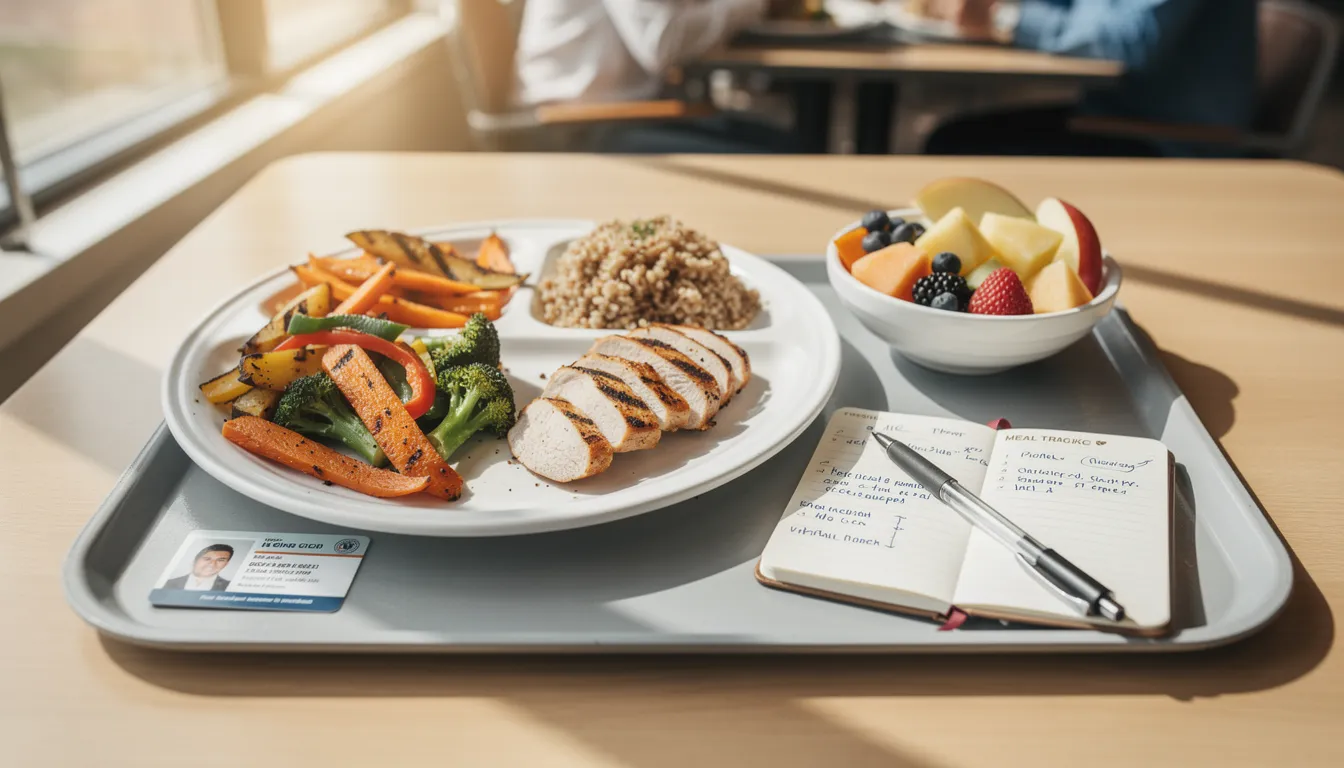
Keep a simple weekly log for even two or three weeks: how many swipes you used, how many dining dollars you spent, and where the gaps were. Patterns show up fast — maybe you skip breakfast entirely, or weekends consistently go unused because you're off campus. That pattern is exactly what should drive your next plan selection, not habit or whatever the default option was when you first enrolled.
Spend Swipes on High-Value Meals, Not Small Ones
Not all meals are worth the same swipe. If your plan charges one swipe regardless of what you get, using that swipe on a $4 coffee-and-toast breakfast is a bad trade compared to using it on a $15 dinner entrée. Save swipes for dinner and weekend meals where the per-item value is highest, and use dining dollars — which are typically dollar-for-dollar, not a flat swipe — for small grab-and-go items like coffee or snacks where you're not artificially inflating a $4 purchase into a $12 swipe-equivalent.
This single habit shift, done consistently across a semester, can meaningfully change your effective per-meal cost without changing how much food you actually eat.
Flex Dollars: Use Them or Lose Them
Flex dollars — the declining-balance funds separate from meal swipes — are the single most commonly wasted part of a meal plan, because they often expire at the end of the semester with zero refund. Leftover balances from fall sometimes roll into spring, but they typically vanish for good by the end of the academic year regardless.
Two weeks before your plan expires, check your flex balance. If you have money left, use it on non-perishable essentials at your campus convenience store if your school allows flex dollars there — toiletries, snacks for finals week, anything with a long shelf life. Don't let a $40 or $80 balance evaporate because you forgot to check until it was already gone.
Free Food Is Not a Myth — Use It Deliberately
Club meetings, department events, career fairs, and general campus programming frequently include free food, and for a student who attends even two or three of these a week, that adds up to real grocery-budget savings over a semester. This isn't a "sad college student" stereotype to be embarrassed about — it's a legitimate way to offset your food costs, especially during weeks when your dining dollars are running low and your swipe count is already maxed for the day.
Check your school's event calendar or student involvement newsletter weekly. Career fairs in particular tend to have substantial catering, and they're worth attending anyway for the networking value on top of the free meal.
Residence hall programming is another underused source — RAs and hall councils frequently host study breaks, floor meetings, and community events with pizza, snacks, or full catered meals specifically to boost attendance. If you live in a dorm, check your hall's event calendar alongside the general campus one; it's often less publicized outside the building itself but just as reliable a food source.
Understand Your Specific Plan's Rules Before You're Surprised
Every school structures meal plans differently, and assuming your plan works like your friend's at a different school is a common mistake. Before the semester gets busy, confirm:
- Do unused swipes or dollars roll over week to week, or reset every Sunday? Weekly plans very often reset with zero carryover, meaning a skipped Tuesday lunch is gone forever, not banked for later.
- What's the last day to downgrade or cancel your plan? Most schools allow changes only in the first one to two weeks of the semester — miss that window and you're locked into a plan you may have already realized is wrong for your habits.
- Can flex dollars be used off-campus at partner restaurants, or only inside dining halls and campus convenience stores? Some schools partner with nearby restaurants, which meaningfully expands where your flex balance can go.
Which Plan Type Actually Fits You
Meal plans generally fall into three structures, and picking the wrong one is where most wasted money comes from:
| Plan type | Best for | Watch out for |
|---|---|---|
| Unlimited | Students who eat 3+ times daily on campus, live in dorms with no kitchen access | Overpaying if you're often off-campus or skip meals for classes/sports |
| Block plan (fixed number of swipes/semester) | Students with predictable schedules who know roughly how often they'll eat on campus | Running out before semester end if you underestimate usage, or wasting swipes if you overestimate |
| Flex/declining balance | Students who prefer choosing what and when to eat rather than fixed swipe-based meals | Requires more self-discipline to avoid overspending early and running dry before the semester ends |
If you moved from a dorm with no kitchen to an apartment with one, or vice versa, your ideal plan type almost certainly changed too — reassess rather than defaulting to the same selection you made as a freshman.
Also reconsider your plan every time your class schedule changes significantly, not just when your housing changes. A student who front-loaded classes into three days a week and works off-campus the other four has a fundamentally different on-campus eating pattern than one with daily 9-to-5 classes — and the plan that made sense for the second pattern rarely fits the first.
Bottom Line
- The average meal plan now costs $5,656/year — calculate your real per-meal cost by dividing total plan cost by actual meals used, not the theoretical maximum.
- Check your dining app's usage history before renewing; if you used under 70% of your weekly swipes, downgrade.
- Spend swipes on higher-value meals (dinner, weekends) and dining dollars on small items to avoid overpaying per-swipe.
- Flex dollars expire with no refund — spend down remaining balances on non-perishables in the final two weeks before they vanish.
- Free food at campus events is a legitimate cost-offset strategy, not something to feel embarrassed about using.
Frequently Asked Questions
How do I find out if my meal plan's flex dollars or unused swipes roll over?
Check your school's dining services website or your student account portal directly — this policy varies significantly by school and even by plan tier at the same school. Don't assume it works the way a friend's plan at a different university does; ask your campus dining office directly if the policy isn't clearly stated online.
Is it better to get an unlimited meal plan or a block plan?
It depends entirely on your actual eating pattern, not a general rule. If you reliably eat on campus three or more times daily with no kitchen access, unlimited often makes sense. If your schedule is inconsistent — classes off-campus some days, sports practices at odd hours, weekends away — a block plan lets you pay for roughly what you'll use rather than a flat unlimited rate for meals you might skip.
Can I use meal plan dining dollars to buy groceries instead of prepared food?
Some schools allow flex dollars at on-campus convenience stores where you can buy grocery-style items, but this varies by institution — check your specific dining plan's terms. Off-campus grocery stores almost never accept campus dining dollars, since those funds are tied to the university's own dining contract system.
What happens to unused meal plan money if I withdraw or transfer mid-semester?
Refund policies vary widely by school. Some prorate a refund based on the portion of the semester remaining; others treat the meal plan as non-refundable once the semester has started, similar to tuition policies. Check your school's specific withdrawal and refund policy for dining plans before making a transfer decision if unused balance recovery matters to your financial planning.
Do meal plans actually save money compared to buying groceries and cooking myself?
It depends heavily on your cooking habits and access to a kitchen. For students with no kitchen access, a well-matched meal plan is often cheaper and more time-efficient than the alternative of eating out for every meal. For students with full kitchen access who cook regularly, grocery shopping and meal prepping is frequently cheaper per meal than even a well-optimized dining plan — the math shifts based on your actual living situation.
How much should I realistically expect to spend on food per month in college beyond my meal plan?
Even with a meal plan, most students spend additional money on snacks, coffee, and occasional off-campus meals. Budgeting an extra $100 to $150 a month beyond your meal plan cost for these supplemental expenses is a realistic buffer for most students, though this varies based on how comprehensive your specific plan is and how often you're on campus versus elsewhere.
Sources
- The Cost of School Meal Plans in 2025: A Study — ELFI
- Average Cost of Food per Month for a College Student — Education Data Initiative
- College Students Are Paying More for Campus Meal Plans — Money
- Do College Meal Plans Save Students Money? — BestColleges
- Maximizing Your Meal Plan: How to Stretch Your College Food Budget — Extraco Banks