Colorado Scholarship Directory 2026: Every Major Award, Decoded
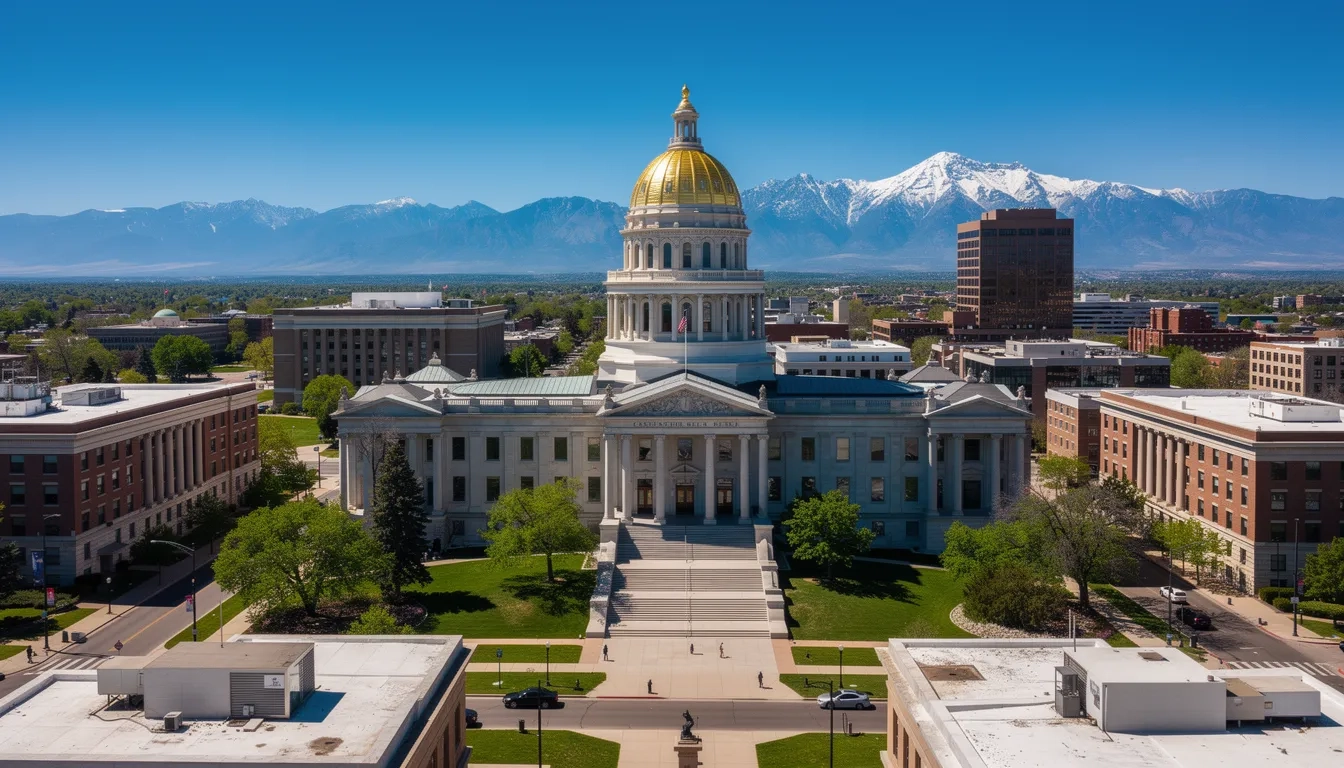
Colorado sent over $400 million in state financial aid to undergraduates in the 2023-2024 academic year. Yet a large share of eligible students never claimed their full allocation. The state's system is genuinely layered — a per-credit-hour tuition subsidy, a parallel application for students locked out of federal aid, a $13 million matching scholarship engine, and some of the most competitive private awards in the country. Miss any one layer and you leave real money on the table. This directory maps all of it.
How Colorado's Aid Architecture Actually Works
Before listing programs, the architecture matters. Colorado financial aid flows from three distinct sources that most students treat as interchangeable: federal aid (FAFSA), state programs, and institutional or private scholarships. The students who fund college most effectively treat these like a portfolio — they stack all three rather than chasing one big award and hoping for the best.
The College Opportunity Fund (COF) is the baseline. At $116 per credit hour for the 2025-2026 academic year (funded annually by the state legislature, so the amount can shift year to year), a full-time student taking 30 credits receives $3,480 in tuition reduction. No separate application. No competition.
The catch: you have to authorize it yourself through the COF portal at cof.college-assist.org. First-generation students miss this step constantly and then wonder why their tuition bill is higher than expected.
State grants sit on top of COF. The Colorado Student Grant is need-based and flows from your FAFSA or CASFA data directly to your financial aid office. Filing your FAFSA or CASFA early is not optional advice — many Colorado institutions award the Colorado Student Grant on a first-come, first-served basis until funds deplete.
CASFA: Colorado's FAFSA Alternative
The Colorado Application for State Financial Aid exists because FAFSA isn't accessible to everyone. Students without Social Security numbers — including DACA recipients and many undocumented students — have historically had no federal aid pathway. CASFA fills that gap at the state level.
A student who completes CASFA becomes eligible for the Colorado Student Grant, COSI-funded scholarships, and other state programs. The state has continued expanding the pool of eligible students since the application launched in 2023. If you've assumed you don't qualify for state aid because of immigration status, that assumption deserves a second look.
One critical rule: you can only file one application. FAFSA or CASFA, not both. If you're eligible for FAFSA, file FAFSA. CASFA is specifically for students who aren't.
The limitation worth knowing: CASFA does not unlock federal Pell Grants or federal loans. Those require FAFSA eligibility. But for state-level funding, CASFA students access the same programs as FAFSA filers.
COSI: The $13 Million Matching Scholarship Engine
The Colorado Opportunity Scholarship Initiative is the most misunderstood program in the state. It doesn't give money directly to students. COSI funds a network of institutional and community partner programs, which then award scholarships that the state matches dollar-for-dollar.
COSI recently allocated up to $6.5 million for Matching Student Scholarship grants. After the required 1:1 partner match, that generates up to $13 million in total scholarship dollars flowing through Colorado institutions. Students are eligible if their family income falls at or below 250% of PELL eligibility — roughly a household income under $75,000 to $80,000 depending on family size.
COSI programs target different life situations:
- Back to Work: for adults returning after workforce disruption
- Finish What You Started: for near-completers who left college without a degree
- Fund My Future: for current students hitting emergency financial barriers mid-semester
- Second Chance Scholarship: for students with prior criminal records re-entering higher education
The practical point: if you left college a few credits short of a credential, Colorado has a funded, active program to get you back across the finish line. This is genuinely non-obvious and most students in that situation never find it.
The Big Three Private Scholarships
Boettcher Scholarship
The Boettcher Scholarship is Colorado's most selective and most generous statewide award for high school seniors. Fifty scholarships per year. Each provides $20,000 annually for four years — $80,000 total — plus institutional support from one of 16 partner Colorado colleges. At many partner schools, the combined package covers full cost of attendance.
Applications open September 1 and close November 1 of senior year. Roughly 100 finalists hear back in February, then interview in March and April. The selection process favors demonstrated community impact, intellectual curiosity, and evidence that the student "makes others better" — the Boettcher Foundation's own framing.
Finalists who don't place often report competitive written applications but underprepared interviews. Forty-seven minutes of interview rehearsal with a specific example ready for each major question is worth more than two extra days of application editing.
Daniels Scholarship
The Daniels Fund awarded 205 Daniels Scholarships in its most recent cycle, spread across Colorado, New Mexico, Utah, and Wyoming. Award amounts reach full cost of attendance at partner schools, up to $25,000 per year at out-of-state non-partner schools, or up to $7,500 per year at in-state non-partner schools.
Eligibility: 3.0 unweighted GPA, ACT of 18 or higher in each section, family adjusted gross income of $100,000 or less. The scholarship reflects the values of Bill Daniels, who built his cable television fortune on a reputation for honesty and character — and the application evaluation reflects that explicitly. The next application cycle for graduating seniors opens September 2026.
Denver Scholarship Foundation
Denver Scholarship Foundation targets Denver Public Schools graduates attending college in Colorado. It's need-based, less nationally publicized than Boettcher or Daniels, and draws applicants primarily from DPS high schools. That narrower focus means less competition among similarly qualified applicants. Worth a serious look for any DPS graduate heading to a Colorado institution.
University-Level Awards Worth Knowing
| Scholarship | Institution | Type | Key Detail |
|---|---|---|---|
| Green and Gold Scholarship | Colorado State University | Merit | Flagship CSU award for high-achieving CO residents |
| Presidential Scholarship | Colorado School of Mines | Merit | Full tuition for top academic admits |
| Chancellor's Achievement Award | University of Denver | Merit + Need | Renewable with GPA requirement through 4 years |
| Ranger Scholarship | UC Colorado Springs | Merit | Offered at time of admission to top applicants |
| CU Boulder Merit Scholarships | University of Colorado Boulder | Merit | Range from $1,000–$15,000/year; deadline varies |
Most institutional awards are offered automatically at admission or require a separate application with a January or February deadline. Checking each institution's financial aid portal directly is the only reliable way to know — school websites regularly lag behind actual policies.
Building a Colorado Scholarship Stack
Treat this as a sequence, not a checklist you complete once:
- Authorize your COF stipend before classes start. Ten minutes at cof.college-assist.org. Most students skip this; the ones who don't save over $3,400 per year.
- File FAFSA or CASFA on October 1, the first day it opens. The Colorado Student Grant and most institutional need-based aid is time-sensitive.
- Begin Boettcher and Daniels applications in early September of senior year. Both close November 1. These deserve the most preparation time given the dollar value.
- Ask your financial aid office specifically which COSI programs you qualify for. This question is almost never volunteered by the office. You have to ask.
- Research institutional merit deadlines by November of senior year. Many schools require separate scholarship applications that aren't part of general admission.
- Look at local and regional awards. The Denver Foundation Community Scholarship, El Pomar Foundation grants, and county-level community foundations often receive far fewer applicants than statewide programs.
One thing almost no one mentions: the Colorado Matching Student Scholarship Grant allows institutions to match external scholarships a student brings in from outside sources. If you win a private scholarship, your institution may be able to layer additional funding on top. Ask your financial aid office whether they participate.
What Actually Costs Students Money
Missing the COF authorization is the most common and preventable mistake in Colorado financial aid. Students assume their aid package is complete and never activate the state's per-credit-hour subsidy. That's a $3,480 annual error.
Applying late to COSI partner programs is a structural trap. COSI awards at the institutional level often deplete mid-semester or in early fall. Students who apply in October instead of August regularly lose out to peers with identical qualifications who moved faster.
The elephant in the room with competitive scholarships like Boettcher is interview preparation. Written applications at the semifinalist level are strong across the board. The students who advance are typically the ones who can articulate their community impact in a 20-minute conversation with strangers, not just in an essay they revised 11 times.
And for CASFA-eligible students: not filing at all because of uncertainty about eligibility is by far the most expensive mistake. The CASFA website has an eligibility screener. Five minutes of checking beats a year of missed aid.
Bottom Line
- Activate your COF stipend immediately — $116 per credit hour, no application required, just authorization at cof.college-assist.org.
- File FAFSA or CASFA on October 1 — both the Colorado Student Grant and institutional grants are awarded while funds last.
- Start Boettcher and Daniels applications in early September — both close November 1, and both reward months of preparation, not weeks.
- Ask your financial aid office directly which COSI programs you qualify for — most offices won't bring this up unprompted.
- The biggest Colorado scholarship mistake isn't failing to apply for competitive private awards. It's missing the automatic state programs that flow from a FAFSA or CASFA you're already required to file.
Frequently Asked Questions
Can I apply for both the Boettcher Scholarship and the Daniels Fund in the same year?
Yes — both open September 1, both close around November 1, and they're fully independent programs. Many applicants attempt both. If you win Boettcher, the Daniels Fund typically defers to avoid duplication of benefits, but applying to both is completely reasonable.
Is CASFA as valuable as FAFSA for Colorado students who qualify?
For state aid purposes, yes. CASFA unlocks the Colorado Student Grant and COSI-funded programs, which are the primary sources of state financial aid. The key limitation: CASFA does not unlock federal Pell Grants or federal student loans, which require FAFSA eligibility. State-level benefits are comparable; federal benefits are not.
Do Colorado community college students qualify for these programs?
Many of them, yes. The COF stipend applies at community colleges. COSI programs actively target community college students, and Daniels Fund awards are available at two-year institutions. The Boettcher Scholarship applies exclusively to four-year college attendance at one of 16 partner institutions.
What's a common myth about Colorado scholarships?
The myth that you need exceptional grades to get meaningful aid. The COF stipend and Colorado Student Grant have no GPA requirements at all. COSI programs are need-based with no academic threshold. Even the Daniels Fund only requires a 3.0 unweighted GPA. High-achieving students have more options, but average students leave substantial aid unclaimed every year.
When should a high school junior start preparing for Colorado scholarship applications?
Spring of 11th grade. Students who begin identifying recommenders, building a list of target schools among Boettcher's 16 partner institutions, and documenting community involvement by May of junior year have a genuine edge when September applications open. The written applications for Boettcher and Daniels both require specific, detailed examples — those take time to develop, not just time to write.
Can I stack the Colorado Student Grant with a private scholarship like Boettcher?
Generally yes, though your institution's financial aid policies determine whether a private scholarship reduces institutional need-based grants. Federal and state grants (COF, Colorado Student Grant) are typically protected and not reduced by outside awards. Institutional grants are where the stacking math gets complicated — worth a direct conversation with your financial aid office before assuming your full award package holds.