The Best Health Sciences Internship Programs for 2026
Here's something most pre-health students don't figure out until it's too late: submitting your NIH Summer Internship Program application in the first three weeks after the portal opens makes you three times more likely to land a placement than waiting until the February deadline. Three times. Principal investigators start browsing applications almost immediately and extend offers on a rolling basis. By late January, many labs have already committed to their interns.
This isn't folklore. It comes directly from NIH's Office of Intramural Training and Education. The implication is stark: the same application that wins in December loses in February, not because it got worse, but because the audience moved on.
Beyond NIH, the 2026 pool of health sciences internships has expanded meaningfully. Stipends are larger than they were five years ago — Fred Hutchinson Cancer Center now pays $7,304 for ten weeks. Federal programs have added trainee slots. And more programs have shifted to rolling or early-January deadlines, which rewards students who plan ahead.
The Federal Programs: NIH and CDC
The NIH Summer Internship Program (SIP) is the closest thing health sciences undergraduates have to a consensus gold standard for summer research. The stipend runs $3,010 to $3,310 for 8 to 10 weeks, which won't go far in the DC metro area without a roommate, but the program's real value is its architecture. No centralized committee. No rubric. Individual principal investigators browse the applicant pool and reach out directly to students they want in their labs.
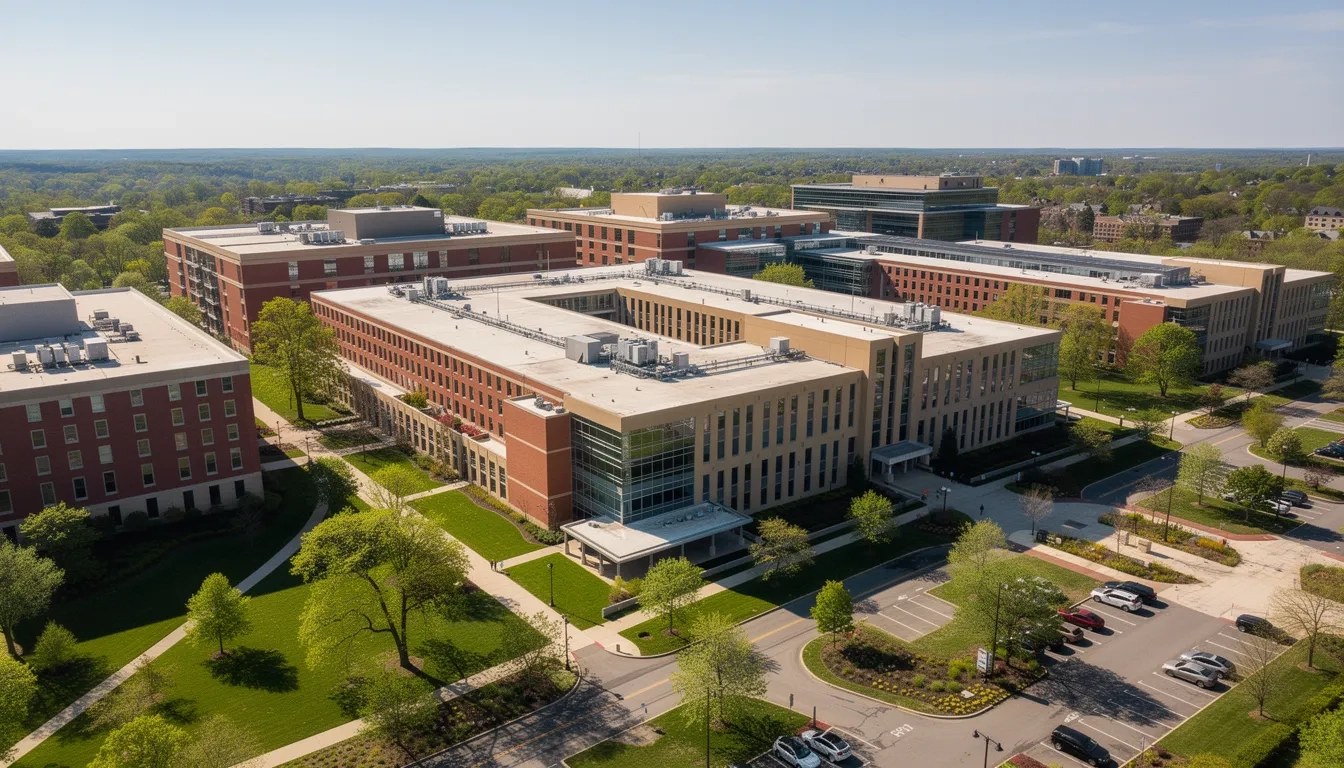
The program runs May 11 to August 31, 2026, spanning NIH's Bethesda campus (a 300-acre federal complex with its own Metro stop) plus satellite sites including NIEHS in Research Triangle Park, North Carolina, and the NCI in Frederick, Maryland. About 1,200 interns cycle through all institutes combined each summer.
Because PIs select their own interns, contacting labs before you apply is the most effective single action you can take. Find a lab whose recent work interests you, read a full paper (not an abstract), and send a two-paragraph email explaining which specific project caught your attention and why your background is relevant. Most won't reply. One response changes the summer.
The CDC John R. Lewis Scholars Program serves a different function entirely. Instead of bench research, CDC placements cover applied public health work: outbreak surveillance, program evaluation, health informatics, and policy analysis. Roughly 150 students are selected for CDC sites across the country each summer, with deadlines typically in late January. For students drawn to population health over molecular biology, this is the top federal program available.
Elite Academic Medical Centers
Fred Hutchinson Cancer Center in Seattle pays $7,304 for ten weeks of summer research. That's the highest flat stipend available among nationally open undergraduate programs, and it's not accidental. Fred Hutch's Summer Undergraduate Research Program (SURP) was designed to make academic science financially competitive with industry internships after Fred Hutch leadership noticed they were losing top science students to tech and pharma summers. Applications close January 16, and the program runs June 22 to August 21. You need to be entering your final year of undergraduate study.
Mayo Clinic runs its program simultaneously across three campuses: Rochester, Jacksonville, and Scottsdale. Mayo Clinic SURF pays a $6,000 stipend for roughly nine weeks from May 26 to July 31. The 3.0 GPA minimum is the lowest of the elite programs on this list, a deliberate choice that makes SURF accessible to students who didn't attend heavily resourced undergraduate institutions.
Massachusetts General Hospital's Summer Research Training Program is specifically designed for students underrepresented in medicine. Not as a workaround to get in the door, but as a program whose explicit mission is building a more representative research pipeline. It runs June through late July in Boston, pays $5,000, and places interns with Harvard Medical School faculty.
Johns Hopkins Bloomberg School of Public Health offers its Diversity Summer Internship Program from May 31 to July 27 in Baltimore, with a $3,000 stipend. It's less famous than some programs on this list. But for students targeting an MPH or a doctoral degree in public health, Bloomberg's network in epidemiology and health policy is genuinely hard to replicate elsewhere.
The Amgen Scholars Network
The Amgen Foundation funds undergraduate research placements at 14 U.S. universities in 2026, including Caltech, Columbia, Duke, Harvard, Howard University, Johns Hopkins, Stanford, UC Berkeley, UCLA, UCSF, UNC Chapel Hill, UT Southwestern, Washington University in St. Louis, and Yale. The acceptance rate across the U.S. network sits at approximately 3%. That's about as selective as getting into any of those host institutions as an undergraduate transfer.
Yale BioMed Amgen Scholars is among the most generous domestic sites: $5,000 stipend, a $725 food allowance, and $750 in travel reimbursement. Stanford pays $4,800 plus a flex spending card. All U.S. sites share a February 1 application deadline, and the program runs between late May and late August (exact dates vary by institution).
The 3.2 GPA floor is firm. So is the expectation that you're pursuing a PhD or MD-PhD, not just a clinical MD. What differentiates successful applications isn't GPA — everyone in the pool has a strong GPA. It's intellectual specificity. "I want to study tumor immunology" loses to "I want to understand why checkpoint inhibitors fail in microsatellite-stable colorectal cancers."
One underrated feature of the Amgen program: all U.S. scholars are invited to a national post-summer symposium where they meet scholars from every participating institution and faculty actively recruiting for PhD programs. This happens before application season opens. The program's value doesn't end in August.
Clinical and Public Health Tracks
Not every health sciences student wants to spend ten weeks at a lab bench. Some want clinical hours. Others want to understand how policy gets made. A few programs exist specifically for those tracks.
MD Anderson's Cancer Prevention Research Training Program pays approximately $17 per hour, making it the only hourly-rate program on this list. It runs June 1 to August 7 in Houston and requires Texas residency, which filters out most of the national applicant pool and genuinely levels the playing field for students at Texas universities. The January 14 deadline is the earliest of any program covered here.
Health Career Connection (HCC) works differently from every other program listed. Rather than running its own clinical or research program, HCC places students in partner organizations across 13 U.S. regions: hospitals, public health departments, advocacy organizations, and biopharma companies. The ten-week paid summer program is full-time with no concurrent coursework or MCAT prep permitted. HCC also runs a part-time Community Health Leaders Program for students who need more schedule flexibility, which pays a $2,000 educational stipend and meets weekday mornings only.
NYU Langone's Health Career Opportunity Program at Rusk Rehabilitation fills a specific gap: most programs at academic medical centers place undergraduates in research labs, not clinical departments. Rusk doesn't. For pre-PT, pre-OT, and pre-PA students who need hands-on patient care exposure at a recognized institution, this is one of the few legitimate options. The 2026 application window ran November 1, 2025 through February 1, 2026.
Program Comparison at a Glance
| Program | Stipend | Duration | Deadline | Best For |
|---|---|---|---|---|
| NIH SIP | $3,010–$3,310 | 8–10 weeks | Feb 18 | Biomedical research |
| Fred Hutch SURP | $7,304 | 10 weeks | Jan 16 | Cancer research, seniors |
| Mayo Clinic SURF | $6,000 | ~9 weeks | Jan 31 | Broad research fit |
| Yale BioMed Amgen | $5,000 + housing/travel | ~8 weeks | Feb 1 | PhD-track students |
| MGH SRTP | $5,000 | ~8 weeks | Feb 1 | Underrepresented in medicine |
| Johns Hopkins DSIP | $3,000 | 8 weeks | Feb 1 | Public health research |
| CDC John R. Lewis | Paid (varies by site) | 8 weeks | Late Jan | Epidemiology, policy |
| MD Anderson CPRTP | ~$17/hour | ~10 weeks | Jan 14 | Texas residents |
| HCC Summer | Paid | 10 weeks | Rolling | Clinical/policy exposure |
How to Actually Get In
Most applicants treat these programs like college applications: craft a personal statement, hit the deadline, wait. That approach is calibrated for centralized admissions committees. Most of the best health sciences programs don't have those.
For NIH, the math is straightforward. The portal opened in December 2025. PIs began reviewing in January. Many labs had filled their intern slots before the February deadline even closed. Students who applied in the first three weeks were three times more likely to be selected. Emailing PIs before you apply isn't aggressive — it's expected. A focused, specific email with your resume attached takes 20 minutes to write and can accomplish more than a polished personal statement ever will.
For Amgen Scholars, specificity is what separates accepted applicants from the pile. Everyone in the applicant pool has a strong GPA. What the selection committees are looking for is evidence of intellectual conviction: a student who has clearly thought about a particular research question, not just "health" as a career direction. Name a specific problem you want to work on. Explain why it matters. Don't hedge.
A few moves that work across programs:
- Apply to January-deadline programs first. They're undersubscribed relative to February programs because most students haven't shifted into application mode yet.
- Request recommendation letters in October. A faculty member who supervised your research work can write a far stronger letter with two months to think than with two weeks.
- Match program type to your actual goal. A CDC placement prepares you for an MPH better than a bench research program, even if the bench program looks more prestigious at first.
- Apply even if your GPA is below a stated minimum. Many programs list aspirational targets, not hard cutoffs.
The programs that don't pay a stipend — like APHA's public health policy internship and HRSA student placements — deserve mention too. The writing was on the wall years ago that federal policy experience would matter more in public health careers than it once did. For students targeting agencies or advocacy organizations, a DC-network program can open doors that even a $7,000 research stipend won't.
Bottom Line
The best health sciences internship for you depends on one question: what are you actually trying to learn this summer? Research trajectory points toward NIH SIP, Fred Hutch SURP, or Amgen Scholars. Clinical exposure points toward HCC or NYU Langone Rusk. Public health and policy points toward CDC or Johns Hopkins Bloomberg.
- Apply early. For NIH especially, early submission triples your odds. For January-deadline programs, most of your competition hasn't started yet.
- Email PIs directly before and after applying to NIH. This is the highest-leverage action available to you.
- Be specific in your personal statements. Name a scientific question, not a field. The committees reading your application have seen a thousand essays about "a passion for medicine."
- Don't chase prestige over fit. A $3,000 stipend at Johns Hopkins Bloomberg can do more for a public health career than $7,000 at a bench program that has nothing to do with your direction.
The best time to apply to these programs was last October. The next best time is as soon as the portals open for 2027.
Frequently Asked Questions
Do I need prior research experience to apply?
Most programs say no — but the reality is more complicated. NIH SIP technically welcomes first-time researchers, and some PIs actively prefer to train students from scratch. Amgen Scholars states that research experience is "recommended but not required." In practice, applicants with at least one semester of lab work have a clear advantage in competitive applicant pools. If you're a sophomore with no research background, start with programs like HCC or a local hospital internship to build your record before targeting NIH or Amgen.
Can international students apply to these programs?
Most federal programs — NIH SIP, CDC John R. Lewis Scholars, MD Anderson CPRTP — require U.S. citizenship or permanent residency. This is a hard eligibility filter, not a soft preference. The Amgen Scholars U.S. program also requires citizenship or permanent residency. International students have better options through university-specific programs (many top research universities run separate summer programs open to non-citizens) or through the Amgen Scholars international sites in Japan, Canada, and Europe, which have different requirements.
How do I cold-email a PI at NIH without being annoying?
Keep it short and specific. Two paragraphs maximum. In the first, name the exact project or paper that caught your attention and say one precise thing about why it interests you (not "I love cancer research" but "I was surprised by your 2024 finding that X"). In the second, briefly state your relevant background — one or two specific skills or courses — and attach your resume and unofficial transcript. Don't ask for a response; ask if there's a spot available in their lab for summer 2026. Most PIs don't reply, but the ones who do are genuinely interested.
Is the NIH stipend enough to live on in Bethesda?
Barely, if you're strategic. The $3,010–$3,310 stipend works out to roughly $300–$330 per week before taxes. NIH's Office of Intramural Training maintains a housing database with affordable options near the Bethesda campus, and many interns share apartments. It's not comfortable, but it's doable. Students from high cost-of-living cities often find the logistics easier than expected.
Should I apply to multiple programs or focus on one?
Apply to multiple. The acceptance rates at top programs are low enough that applying to only one or two is a significant risk. A reasonable strategy: apply to two or three January-deadline programs (Fred Hutch, CDC, MD Anderson if you're Texas-based), then two or three February-deadline programs (NIH, Amgen sites, MGH, Mayo). Tailor each application — don't submit a generic personal statement — but spread your bets across program types and deadlines.
What if I miss all the major deadlines?
More options exist than most students realize. Health Career Connection accepts applications on a rolling basis. The American Public Health Association policy internship has spring and fall cycles with deadlines in October and June. HRSA/HHS student placements also accept applications year-round for fall and spring terms. Missing summer 2026 isn't ideal, but it creates a full year to build credentials and apply early for summer 2027.
Sources
- NIH Summer Internship Program (SIP) – Office of Intramural Training & Education
- 15 Health Science Internships for Undergraduates – Ladder Internships
- United States – Amgen Scholars Program
- HCC Internships – Health Career Connection
- Student Internships and Jobs – CDC Careers
- NIH NIEHS Summer Internship Application Process